
Common Generator Sizing Mistakes (and How to Avoid Them)
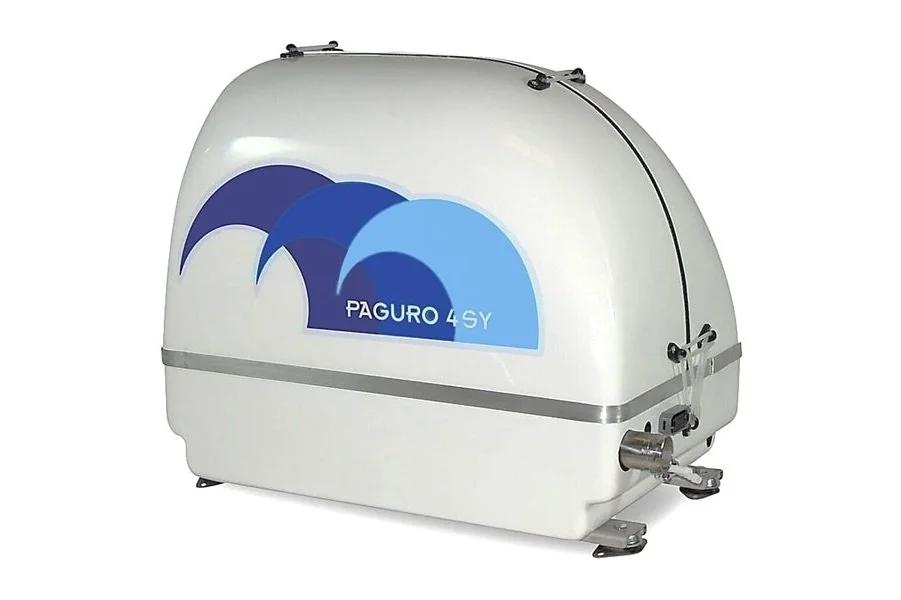
Choosing the right size generator is one of the most important decisions in any onboard power system — yet it’s also one of the most commonly misunderstood.
If a generator is undersized, it may struggle to supply peak electrical demand, leading to overload trips or restrictions on what consumers can be run together. If a generator is oversized, it may spend much of its operating life running at low load, where efficiency is poor and long-term engine wear can increase.
Both situations arise from how electrical demand is assessed during specification.
1. Assuming All Loads Operate at the Same Time
Generator sizing often begins with a list of installed electrical consumers. Problems arise when that list is treated as if everything will operate simultaneously.
In practice, which loads overlap — and for how long — depends on how the boat is operated. High-demand systems such as galley equipment, watermakers and large battery chargers may all be installed onboard, but they are rarely all running at the same time.
This is why boats of similar size can have very different power profiles. A weekend cruiser, a liveaboard yacht and a charter vessel may carry comparable equipment, but their operating patterns — and therefore their simultaneous electrical demand — can vary significantly.
Failing to account for load diversity typically leads to oversizing, with generators specified to cover a theoretical demand that never actually occurs.
2. Ignoring Peak Start-Up Demand
The opposite problem occurs when peak demand is underestimated.
Many electrical consumers draw significantly more power during start-up than during normal operation. If these short-term peaks are not considered, a generator may appear adequate on paper but be undersized in practice.
This commonly results in overload trips, unstable voltage or restrictions on which systems can be used together — even though the generator may cope with average demand once equipment is running.
When reviewing or replacing a generator, it’s important to check:
the continuous power rating, and
the allowable peak or start-up power, including how long that peak can be sustained
3. Oversizing “to Be Safe”
Oversizing is often seen as a way to avoid capacity issues, but it introduces a different set of problems.
Generators are designed to operate most efficiently when running at, or close to, their rated capacity. When a generator is consistently underloaded, it may never reach proper operating temperature. This can lead to inefficient combustion, carbon build-up, increased fuel consumption and unnecessary mechanical wear.
In many cases, a correctly sized generator running at a healthy load will operate more efficiently and with a longer service life than a larger unit that is rarely worked properly.
4. Assuming the Generator Must Cover Everything Alone
Another common reason generators are oversized is the assumption that they must supply the full electrical demand at all times, without support from other energy sources.
In reality, many boats operate as part of a balanced system. Batteries, solar and hydrogeneration can all contribute to meeting daily energy demand and reducing generator run time.
For example, while under sail, a Remoran hydrogenerator can provide a steady contribution to battery charging. This reduces the load placed on the generator without changing its role in handling peak demand.
5. Ignoring Likely Changes to the Electrical System
Onboard electrical systems rarely remain static.
Upgrades such as lithium battery banks often lead to higher-capacity chargers or increased inverter use, which can shift a generator from operating comfortably to being marginally undersized. Conversely, changes that reduce generator run time can leave an oversized unit operating even further below its ideal load range.
Considering likely system changes at the sizing stage helps avoid both outcomes.

A Practical Way to Sense-Check Generator Size
Generator sizing benefits from a structured approach based on real electrical demand.
We provide an online generator size calculator that allows onboard loads to be assessed quickly and consistently. By working from actual consumers rather than assumptions, it helps identify whether a generator is likely to be appropriately sized, oversized or undersized for the system.
For those who prefer to work through the same information in more detail, we also outline a power auditing approach using a spreadsheet, allowing individual loads, start-up behaviour and usage patterns to be reviewed step by step.
Final Thoughts
Undersized generators struggle with peak demand.
Oversized generators struggle to run efficiently.
Correct generator sizing sits between these two extremes. When a generator is properly matched to real electrical demand, allowed to operate in a healthy load range, and supported by batteries and renewables where appropriate, it will run more efficiently, more cleanly and with fewer long-term issues.