
ARC Miles Into Amp-Hours: The Underway Power Pattern
The ARC is normal onboard life, just stretched across ocean miles. Autopilot steers for hours, refrigeration keeps cycling, instruments stay on, and the boat draws power around the clock.
One ARC crew put it neatly, having relied on solar, wind and hydrogeneration alongside their usual onboard options:
“It was rare we needed to use the engine to charge much at all - the combination of solar, wind, and the hydrogenerator, gave us more power than we needed.”
That’s the idea to plan around: steady replenishment while you sail, so charging quietly takes care of itself.

The baseline: what’s always on
On passage, the biggest story is usually the steady background draw that runs all day and all night:
Autopilot
Instruments, AIS, plotter / nav system, plus nav lights overnight
Refrigeration cycling continuously
Routine charging for phones, tablets, handhelds
Batteries buffer short peaks and smooth the bumps, but the easy feeling onboard comes from generation that keeps pace with the baseline, even after sunset.
The Passage Power Mix
Most cruising boats carry a mix because each source has a best-fit role:
Solar can be a useful contributor in daylight
Wind can be a helpful partner depending on conditions and setup
Hydrogeneration produces whenever you’re making miles
Alternator / generator charging suit deliberate top-ups and heavier days
Hydrogeneration fits the ARC in a very direct way: it produces when the boat is moving. It complements solar by extending generation beyond daylight, keeping pace with the same baseline loads overnight.
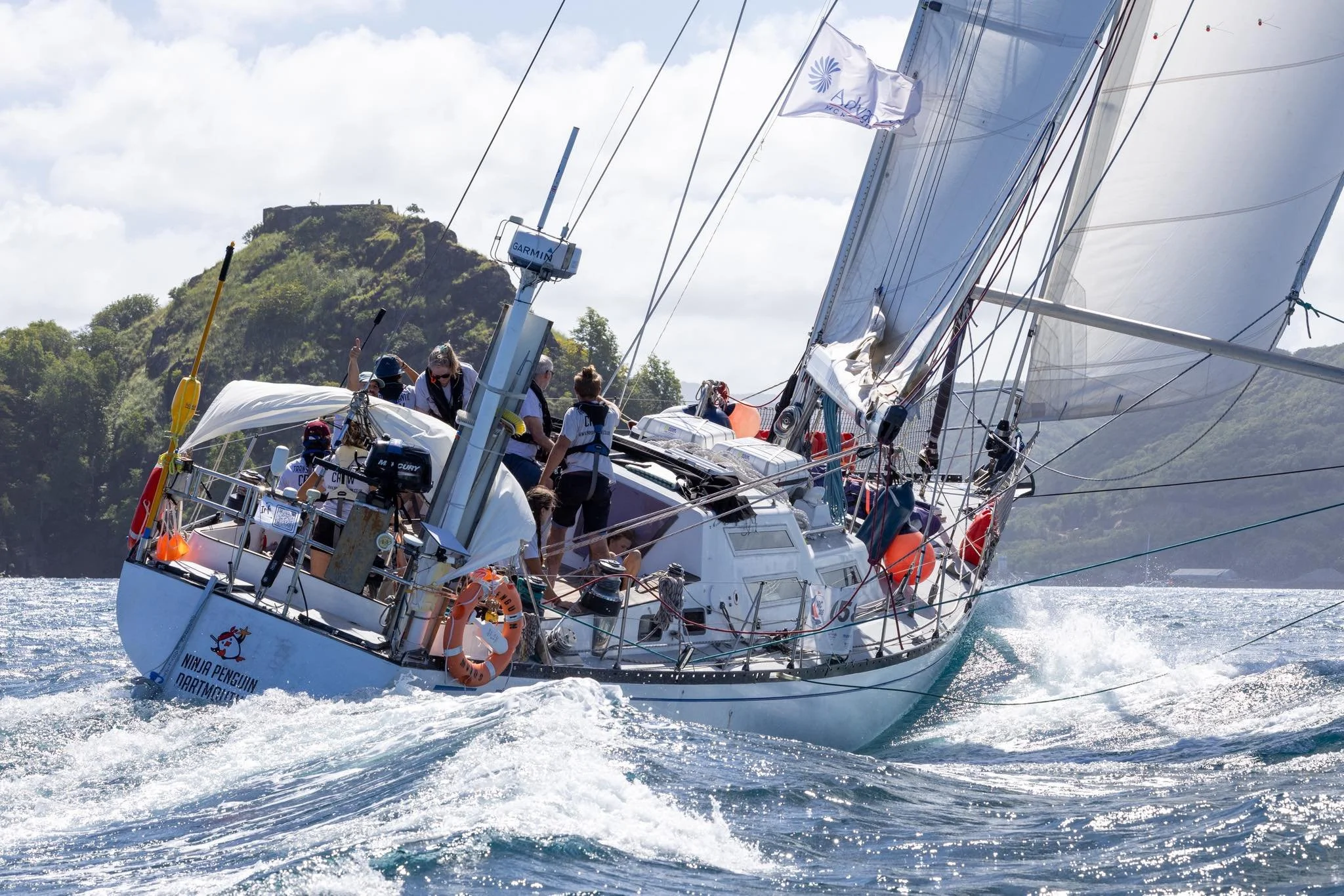
That’s exactly how Ninja Penguin’s crew experienced it:
“Our crew actually said that our Remoran Oy Wave 3 should win the ‘Best Crew’ award for our ARC passage as it worked relentlessly day and night with no issues for 17 full days!”
Hydrogeneration: the quiet workhorse underway
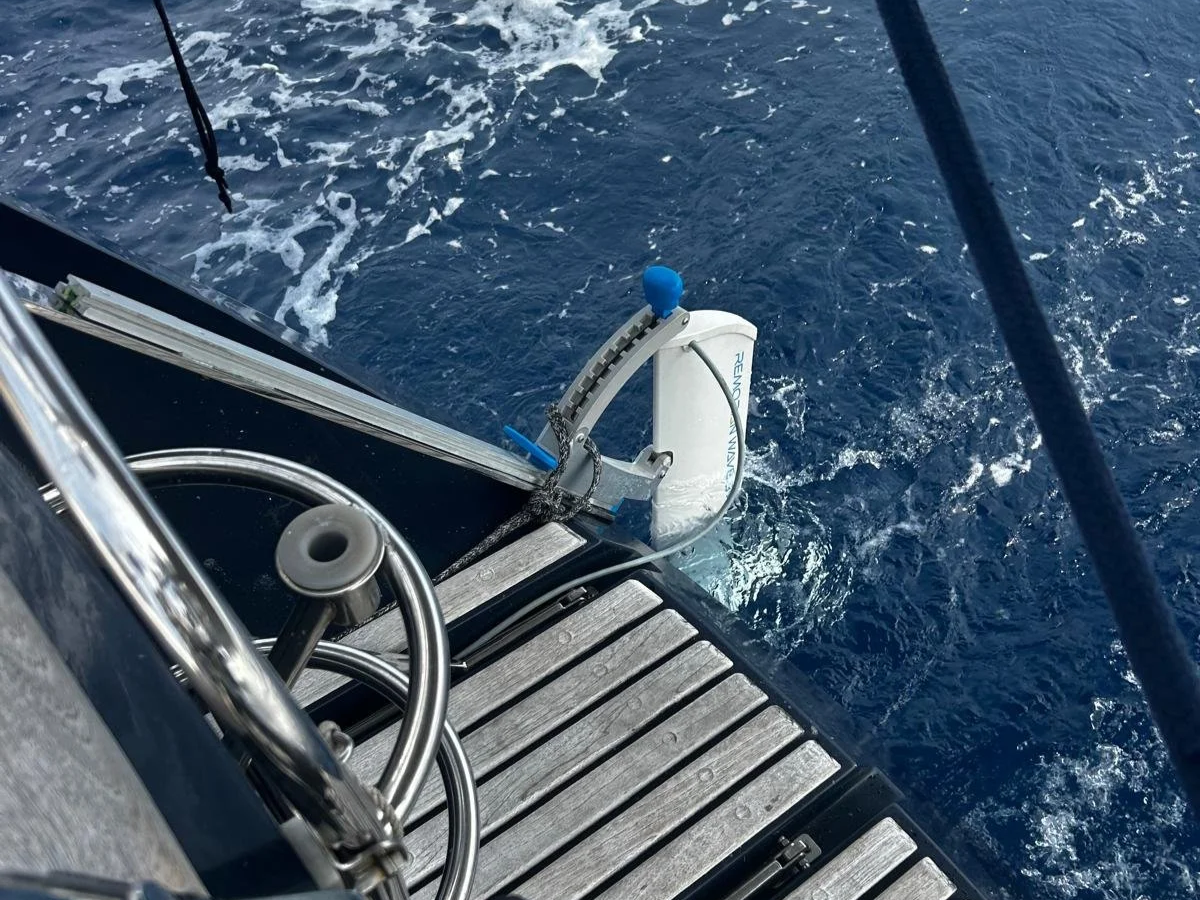
When ARC crews talk about hydrogeneration, it’s usually as the steady underway contributor within a wider charging mix — often alongside solar, with backup options in reserve.
That’s where the Remoran Wave 3 range tends to sit: a stern hydrogenerator that keeps producing whenever you’re making miles. It’s produces up to 300W, but what comes through most strongly in the real-world stories is the routine benefit — it’s working while the crew gets on with sailing. Designed for minimal drag, it can stay deployed as a quiet, continuous contributor underway.
Mike Hutchinson’s comment captures that perfectly:
“When it’s running, you just forget about it. It’s quiet, it’s reliable, and we’ve done 31,000 miles without touching it - apart from once clearing some polyprop from the propeller. Zero maintenance. Everything is about resource management. The Remoran just didn’t come up on the to-do list - it was always there, always producing power.”

Where engine alternators and generators fit
On-demand charging still has a very practical role on ARC boats, because there will always be times when predictable, deliberate energy is simply convenient:
Time in port or at anchor (easy top-ups, heavier domestic use)
Higher-demand windows
Calm spells or short periods when you simply prefer a guaranteed boost
A balanced power setup doesn’t “replace” alternator or generator charging. It just makes them feel optional — used when they suit the day, rather than because the boat needs a routine charge. For many ARC crews, simply knowing that backup charging is there if they want it is what makes the whole setup feel dependable.
As Ben from Wahoo put it:
“The hydrogenerator kept us powered for most of the journey, but knowing we had the generator as a back-up gave us real peace of mind.”
Breakdown Your Power
A helpful way to think about ARC energy is to separate your day into:
Baseline loads: the stuff that’s simply “on” as part of safe, comfortable passage making
Timed jobs: watermaking, laptops, heavier charging, cooking
Short peaks: brief, higher-power moments that don’t usually dominate the daily total
If you want a quick, practical way to map your own loads before you leave (and spot the “baseline” clearly), check out our power audit spreadsheet: https://www.advanceyacht.co.uk/blog/taking-out-the-guesswork-power-auditing-for-your-yacht

The outcome that matters most
The best passage power setup is the one that fades into the background. When continuous renewables are covering the steady work while you sail — and on-demand charging is there when you want it — the boat feels easier to live with: stable navigation and comms, a reliably cold fridge, a confident autopilot routine, and fewer daily decisions about energy.
In practice, it’s a quieter routine: continuous generation underway, steadier batteries, and less time thinking about charging.
Need help or advise planning your power set-up? Contact us.